Contextual Help
Help that shows up right where suppliers get stuck, so they can fix problems themselves instead of opening a support ticket.
The Challenge
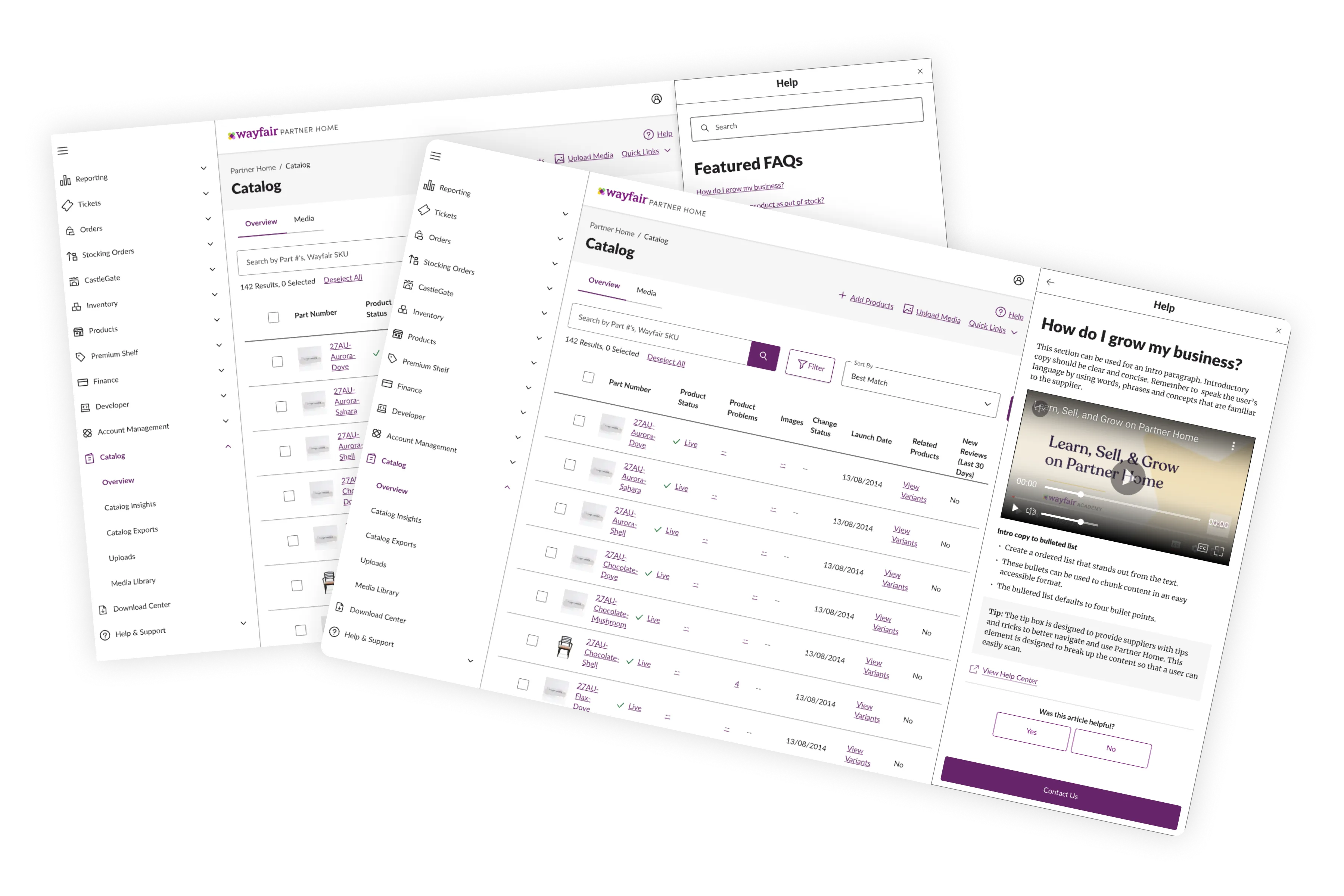
Wayfair was about to bring on a big wave of new suppliers to its business platform. The support team couldn't keep up. Many tickets were for simple things suppliers could fix on their own, but the Help Center was out of date and hard to find.
- Support couldn't grow without hiring lots more people
- Suppliers waited through slow back-and-forth to get answers
- Help articles didn't match what suppliers saw on screen
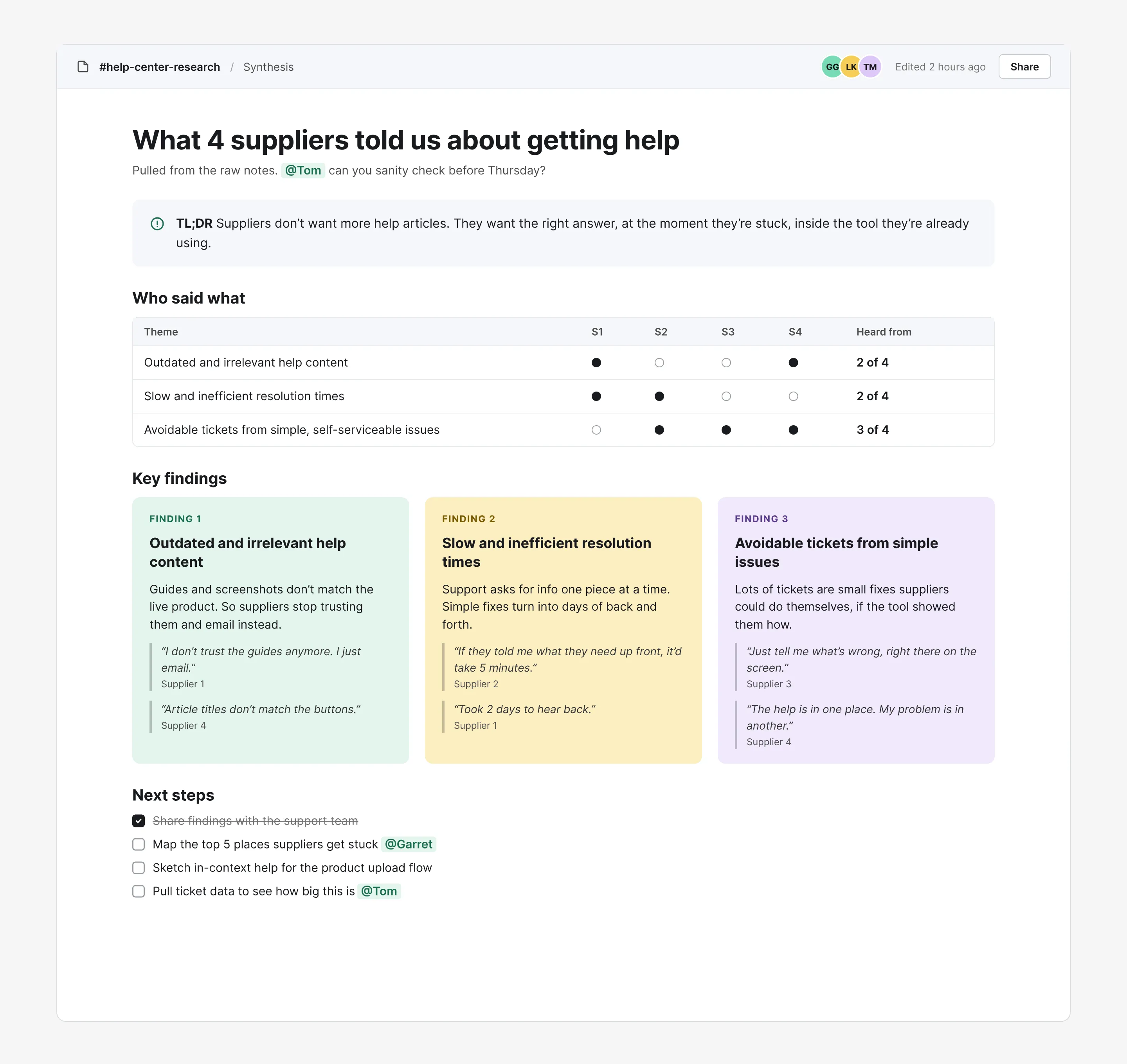
Talks with Support
To understand what could be improved for support, we talked to four support colleagues at Wayfair and reviewed their tickets.
Understanding the Current State
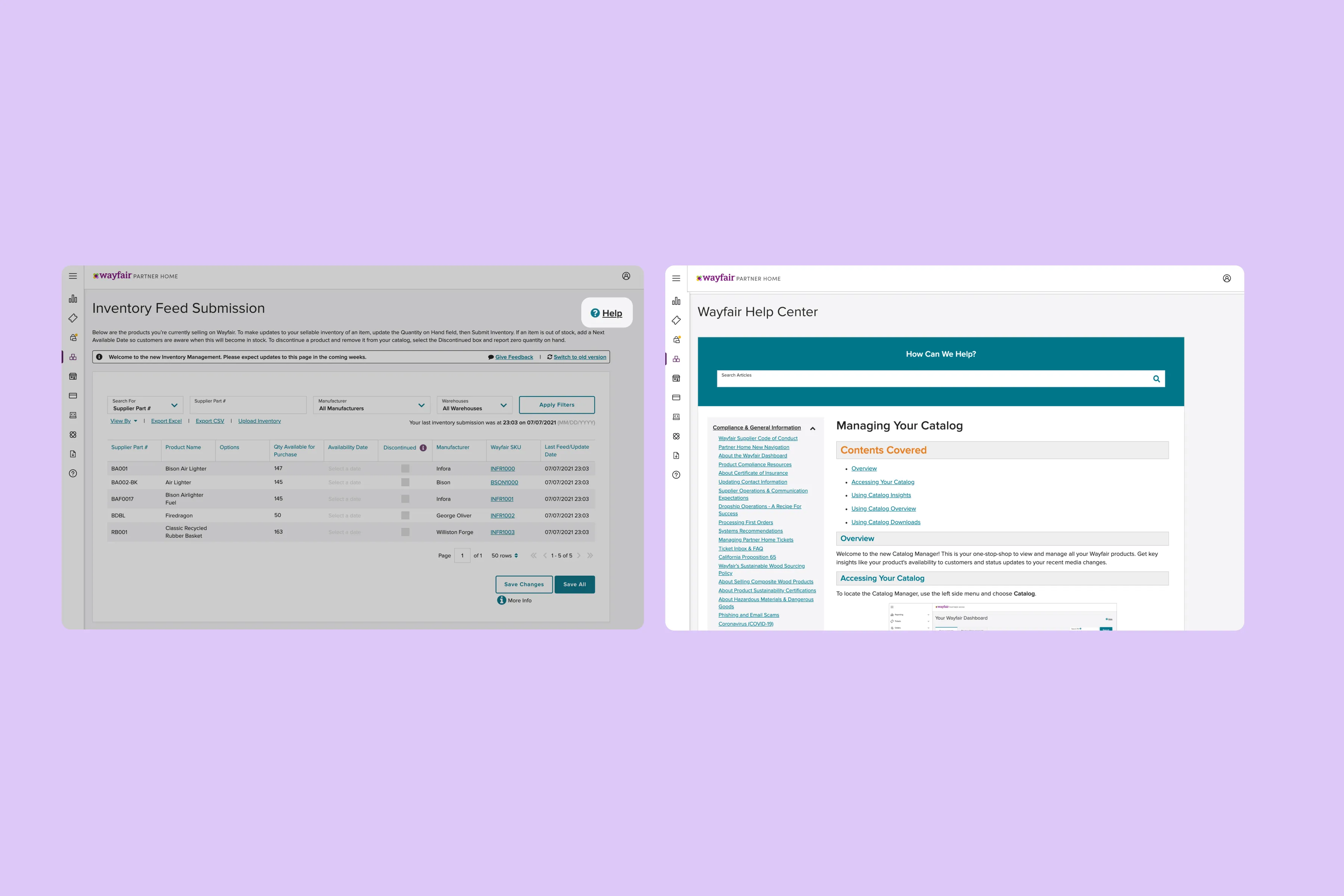
Before starting, I reviewed the existing design to understand the problem and what the solution needed to solve.
Exploring the Experience
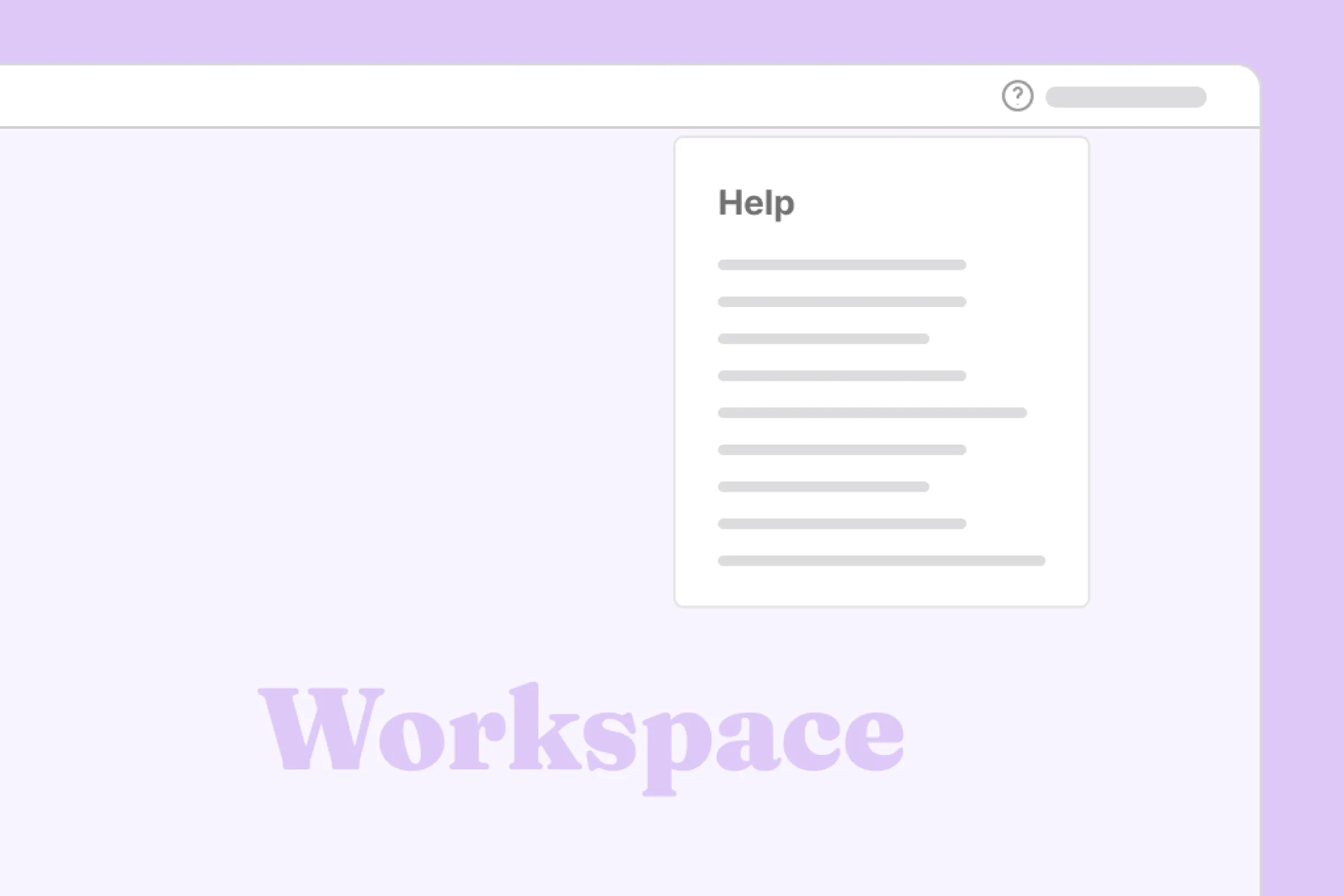
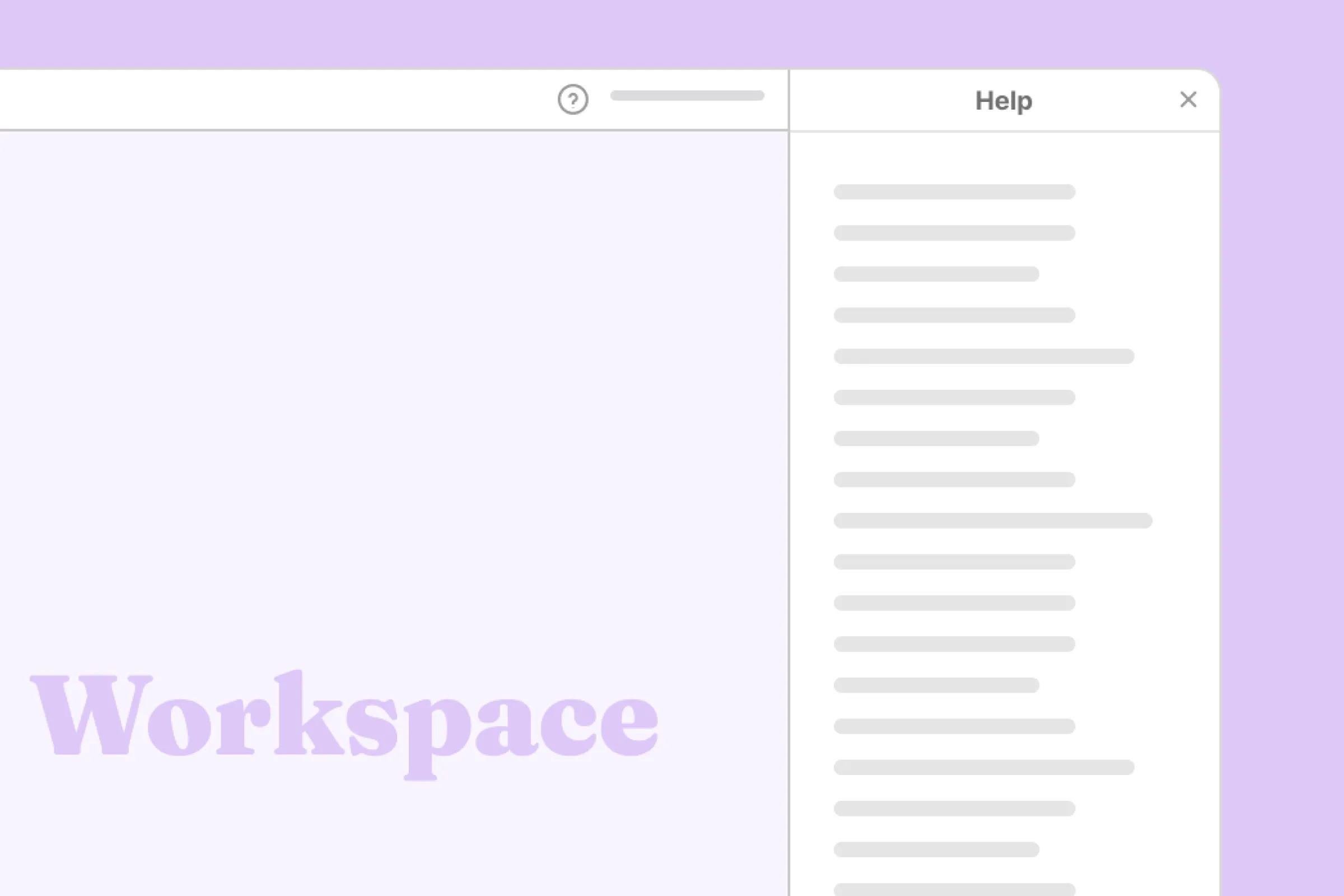
I tested two ideas: a side panel and a floating popover. The side panel won. It pushes the page over instead of covering it, so suppliers can read the steps and follow them at the same time.
Testing with Suppliers
To make sure I solved the right problem in a way that would last, I set principles to guide my decisions when evaluating solutions.
“I’m trying to get in and fix a problem. You know, I’m drinking from a firehose all day long. When that one is done, another one pops up.”
Making It Better
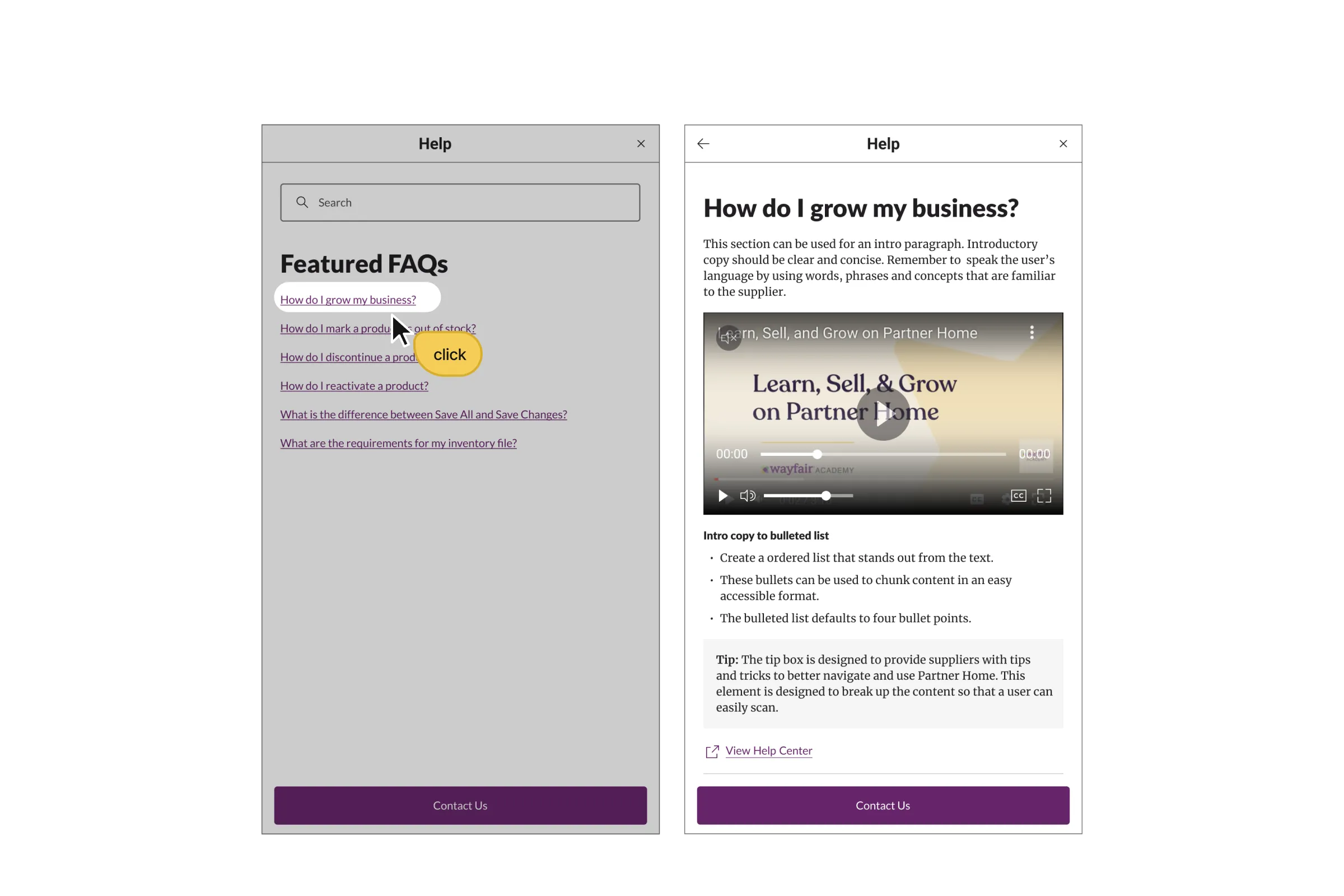
After the supplier interviews, we cut down the content, split it into an easier-to-digest multi-step drawer, and added search for help content.
Results
- Adopted across teams. Several product teams adopted the Contextual Help pattern.
- Fewer support tickets. Inbound support tickets went down.
- Suppliers used it. More suppliers opened Contextual Help to find answers on their own.
Exact numbers are not shown due to an NDA.